
Pollinators and MnDOT
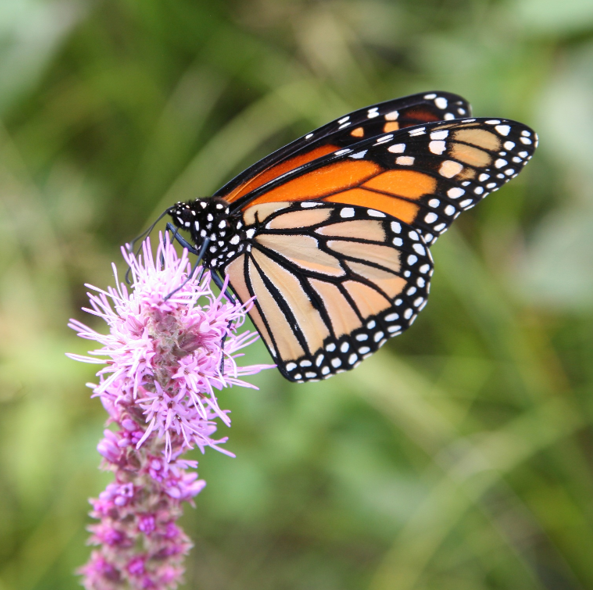
We manage about 175,000 acres of green space in Minnesota. As part of Gov. Tim Walz’s Executive Order 19-28 (PDF), we'll manage state owned transportation properties and rights of way to create, protect, and enhance pollinator habitat. While pollinators are any organism of which helps move pollen from one flower to another, we're focused on insect pollinators.
Flagship species
- Rusty patched bumble bee
- Monarch butterfly
Roadside vegetation
Roadside vegetation is an essential component of highway infrastructure. It enhances safety by maintaining clear sight lines, unobstructed clear zones, and effective stormwater drainage. These areas also protect roads and bridges by directing stormwater away quickly while stabilizing the soil.
Pollinator habitat
Roadside vegetation provides the additional benefit of pollinator habitat. During our construction projects we use native seed mixes to replant all areas that do not need to be mowed more than once per year. For more benefits of landscape plantings, visit MnDOT’s Facility Design Guide, Chapter 12 (PDF).
Vegetation management
Roadside vegetation plays an important role in the safety and function of Minnesota roadsides. The composition of the vegetation varies greatly from grasslands, prairie, boulevard trees, hardwood forests, designed landscape plantings, and coniferous forests.
Management methods
Most roadsides have a combination of vegetation types which may require differing maintenance techniques. We use a combination of methods to achieve effective vegetation management, including the following:
- Mowing
- Herbicides
- Prescribed fire
- Biological control
Initiatives
Conservation agreement for monarch butterflies
We participate in the Nationwide Candidate Conservation Agreement (CCAA) for Monarch Butterfly on Energy and Transportation Lands (PDF). As part of our participation in the CCAA, we monitor a selection of roadsides for milkweed stem counts and other floristic characteristics. We have also adjusted the timing of our mowing in select areas to avoid the time of year when monarch butterfly caterpillars are present.
Monarch Highway
We participated in the effort to identify the national I-35 corridor as the Monarch Highway. This corridor follows the monarch butterfly’s migration path from Texas to Minnesota. We work with state DOTs to share information on planting and management techniques to create and maintain pollinator habitat.
Benefit agreement for bumble bees
We have provided support for the development of the Nationwide Conservation Benefit Agreement for Bumble Bees on Energy and Transportation Lands.
Collecting and reporting data
Our biologists record bumble bee observations and report these data to U.S. Fish and Wildlife Service and the Minnesota Department of Natural Resources.
Research
We have supported and participated in numerous research projects to help guide decisions.
- Developing Recommendations for the Use of BioChar in Roadside Green Infrastructure
- Partnerships for Promoting Pollinator Habitat
- Improving Pollinator Habitat Through Cost-Effective Roadside Revegetation
- Cost-Effective Roadside Revegetation Methods to Support Insect Pollinators
- Innovative Research to Improve Bumble Bee Habitat
- Monitoring and Habitat Assessment of Declining Bumble Bees in Roadsides in the Twin Cities Metro Area of Minnesota
Partnerships
We have two programs that allow municipalities and citizen groups to plant and manage vegetation on the roadsides.
Community Roadside Landscape Partnership Program
Designed for governmental units (cities, townships, and counties)
Highway Sponsorship Program
Designed for citizen groups
Other partnerships
We also partner with other state agencies through the Minnesota Interagency Pollinator Protection Team to address pollinator opportunities on state lands.
How you can help
Our rights of way cannot provide all the habitat pollinators need to survive and flourish. All land managers in Minnesota need to do their part. To find out ways you can help, visit the Minnesota Department of Natural Resources website with pollinator resources.